THE CHALLENGE
Parquet fitters spend hours working in forced postures—kneeling, squatting, bending—leading to chronic back and knee pain. Existing aids on the market were either too bulky, too specialized, or failed to address the full range of movements required during installation.
Goal:
Design an ergonomic, mobile support tool that reduces physical strain while adapting to real-world workflow constraints.
RESEARCH & INSIGHTS
I conducted a survey with professional parquet fitters to identify pain points and validate assumptions. Key findings: • 85% reported recurring back or knee discomfort • Most tools on the market addressed only one working position • Portability and quick adjustability were critical for on-site use
DESIGN APPROACH
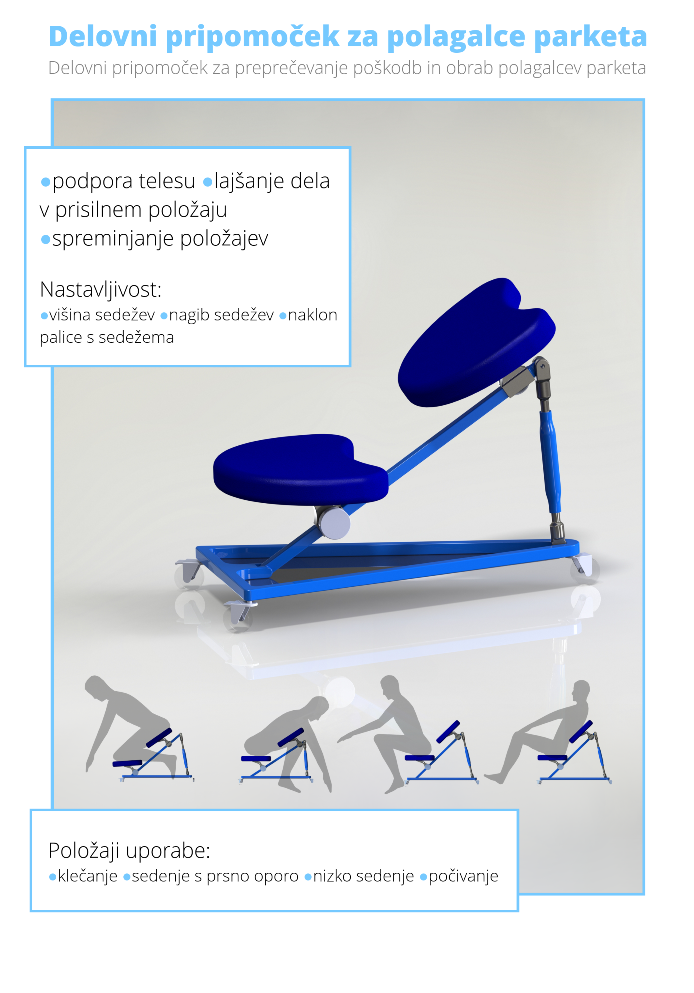
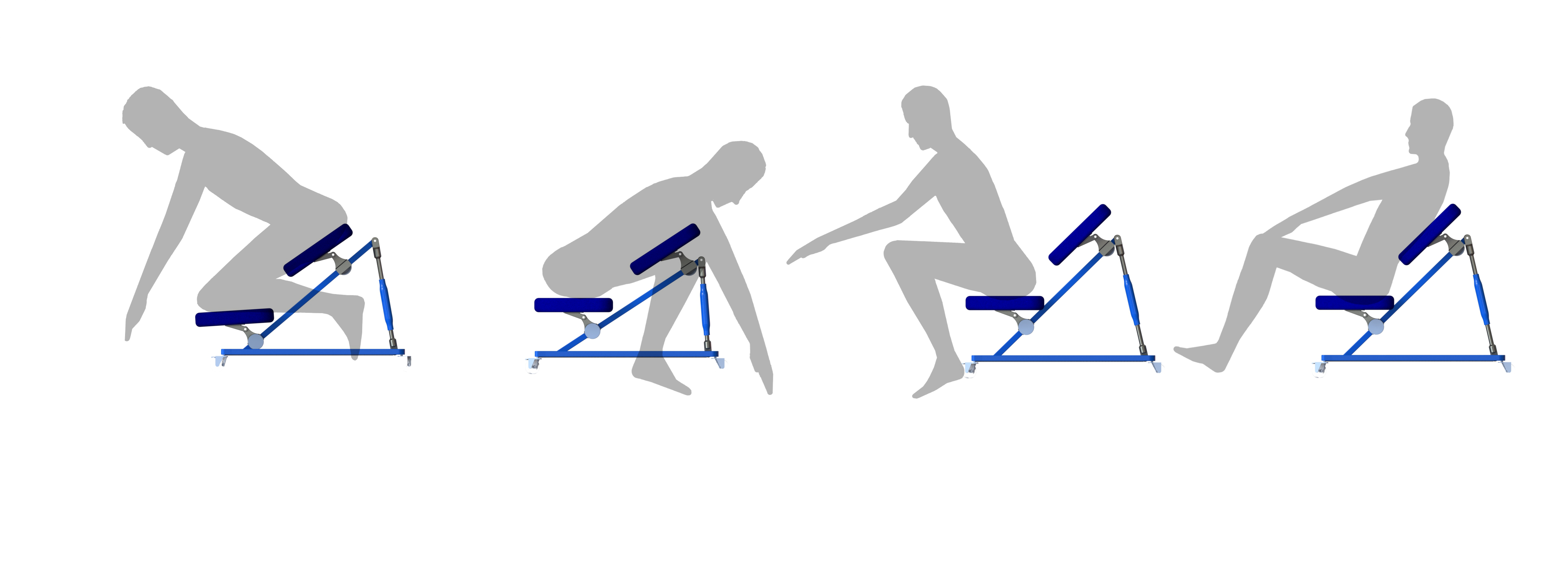
Starting from ergonomic principles and user feedback, I defined core requirements: • Support four working positions: kneeling, low sitting, chest-supported sitting, and seated with backrest • Adjustable height and inclination for different body sizes • Lightweight, mobile, and easy to reposition • Padded contact points with washable, durable covers • Integrated storage for small hand tools (hammer, glue, spacers)
DEVELOPMENT PROCESS
• Concept sketches: Explored multiple configurations to balance stability, adjustability, and compactness
• Technical drawings: Created dimensioned CAD models aligned with anthropometric data
• Prototype testing: Built a 1:1 mock-up to validate ergonomics and adjustability mechanisms
• Material selection: Chose lightweight yet durable materials suitable for workshop environments
THE SOLUTION
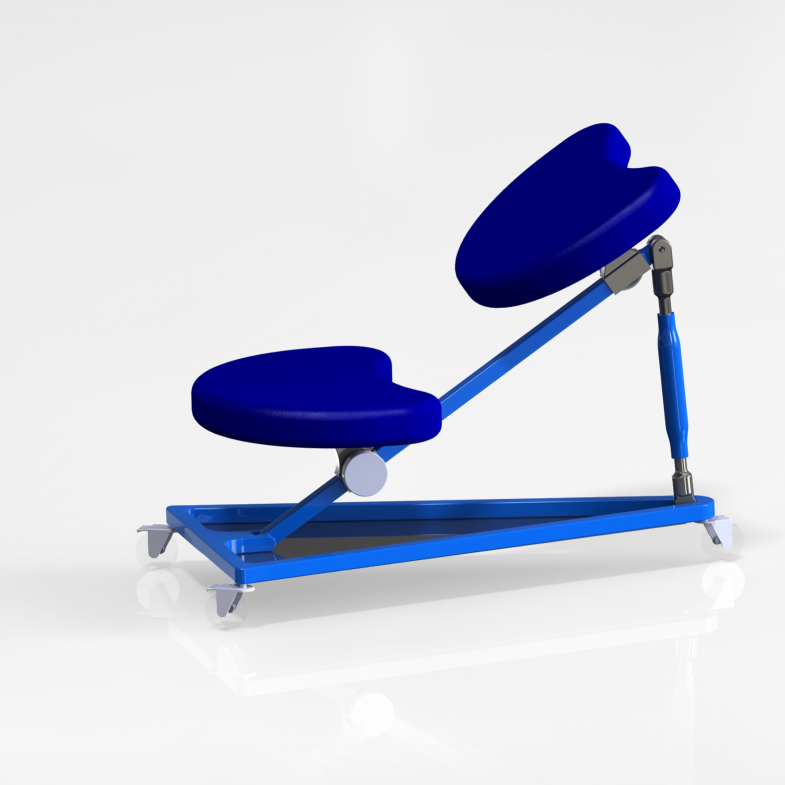
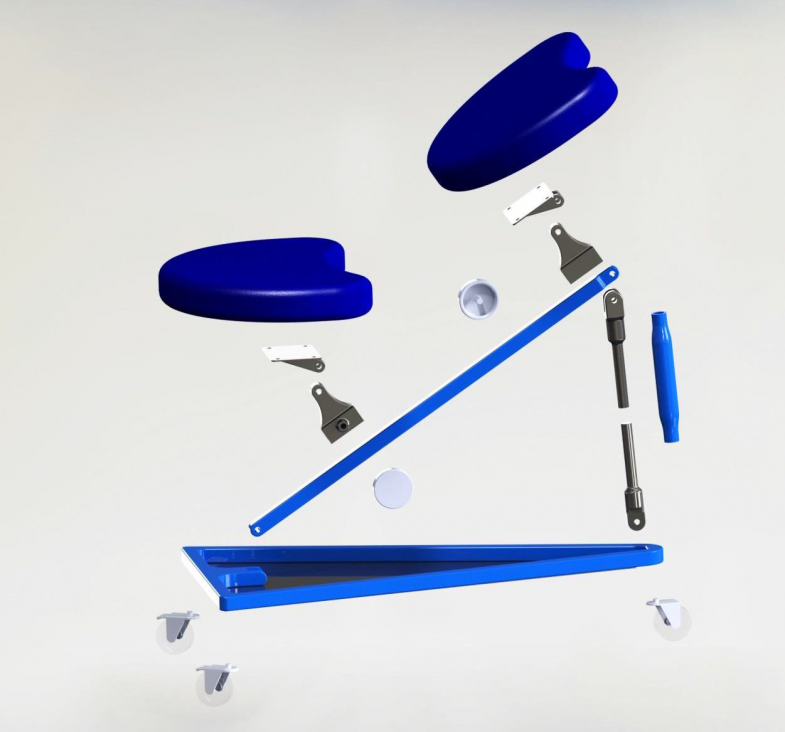
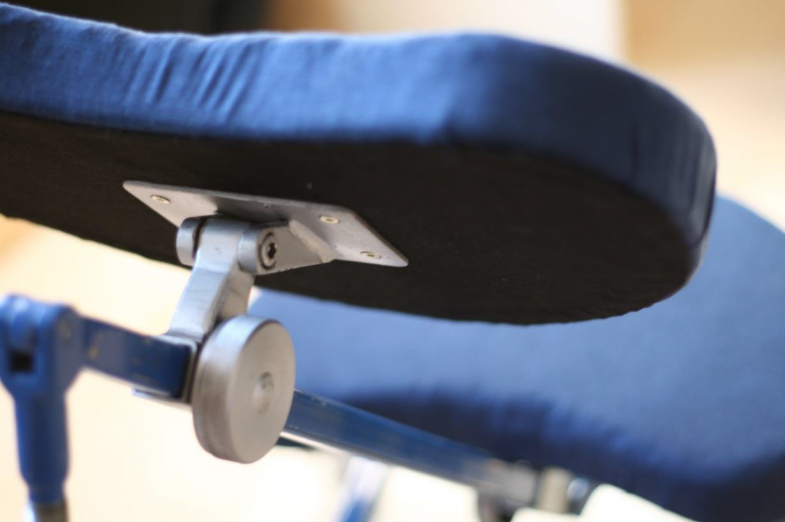
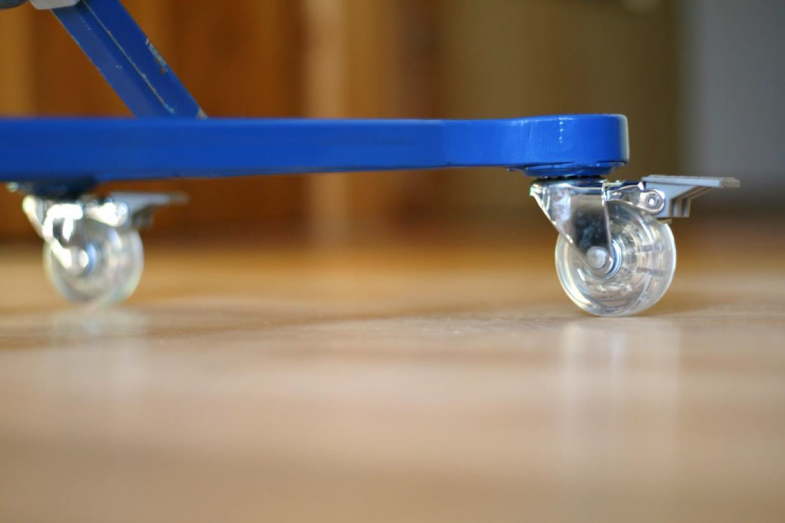
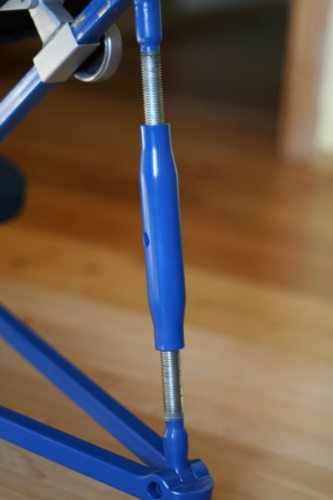
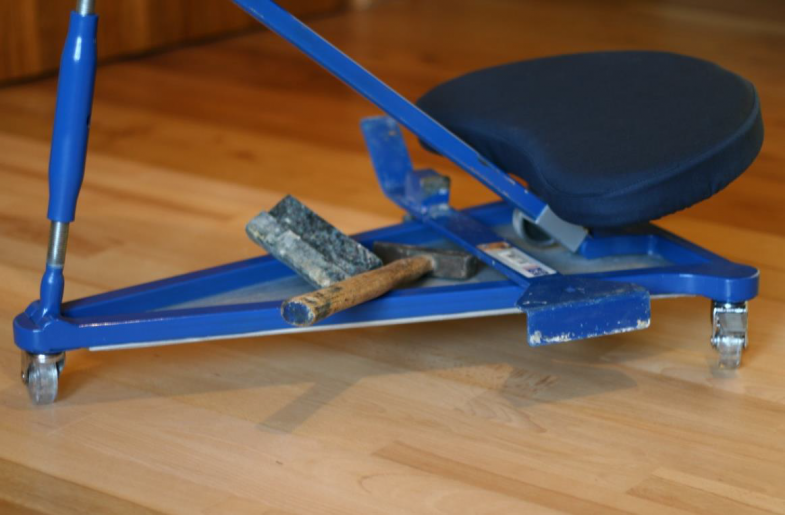
The final tool features a modular frame with three silicone wheels (with lockable stoppers) and an adjustable central bar that controls seat/backrest inclination via a double-thread mechanism. Users can quickly switch between positions without standing up, reducing fatigue and improving workflow efficiency.
Key innovations:
• Single-adjustment mechanism for multiple positions
• Tool storage integrated into the wheel base
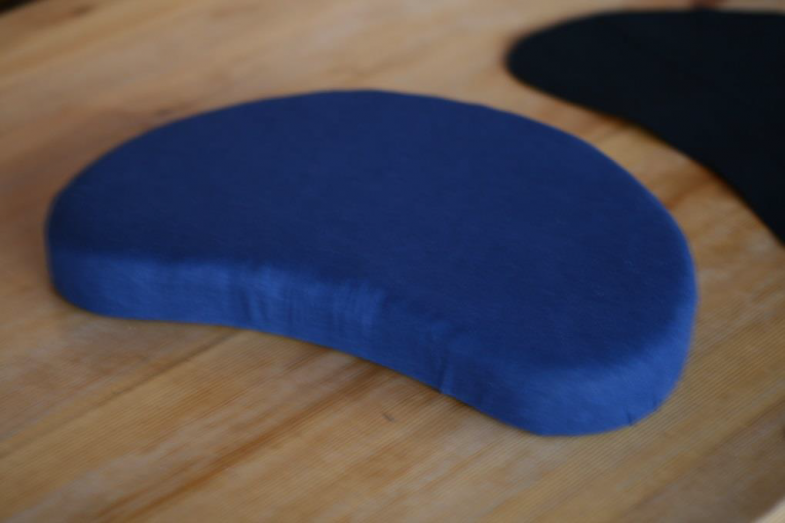
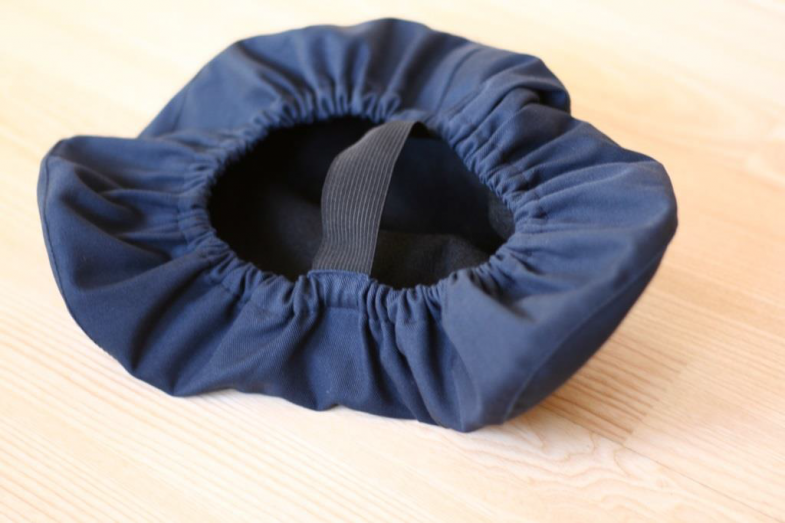
• Washable, replaceable padding for hygiene and longevity
OUTCOME
The thesis delivered a production-ready concept with technical documentation, cost calculations, and a functional prototype. Testing confirmed improved posture comfort and reduced strain during simulated installation tasks.
This project reinforced my belief that good industrial design must balance human needs, technical feasibility, and real-world usability—a principle I apply to all my commercial work today.